
JAPAN
Welcome
once again and thank you for tuning in, we will now commence our journey, so
please grab on tight to your seats and let’s start the engines of our
imagination.
First stop: JAPAN.
 You heard
it, our first stop is japan, what better place to commence our journey, than
the country that first sees the sunrise. Japan.
You heard
it, our first stop is japan, what better place to commence our journey, than
the country that first sees the sunrise. Japan.
Japan has had
a fascinating and multifaceted culture; on the one hand it is steeped in the
deepest of traditions dating back thousands of years; on the other it is a
society in a continual state of rapid flux, with continually shifting fads and
fashions and technological development that constantly pushes back the
boundaries of the possible.

As we have
learned, Japan is, you could say colliding between the new cutting age
technology and fast changing society with its antique conservative traditions
and values. We will start with the fascinating “old” side of Japan, to
understand their traditions including traditional culture like Geisha, Samurai,
Japanese tea ceremony, Japanese gardens, kimonos and Japanese Language, we must
first take a two way ticket to the past! So next stop everybody, Traditional
Japan!!!!
HISTORY

Traditional
Japanese culture has many roots in traditional Chinese culture (which we will
be discussing later on hehehe), however Japanese culture, even historically
differed from Chinese culture. This differentiation of the cultures is due in
part to the separation of the two land masses, plus Japan’s periods of enforced
isolation from the outside world, further extended the differences between the
two cultures. Many times throughout history the first time a particular aspect
of culture was imported from China it was of course very Chinese. However
within a relatively short period the designs changed to take on a distinctly
Japanese style. This can be seen in the designs of Japanese gardens and
temples.
The Great
Hall (Kondo) Horyuji Temple in Nara, is one of the first Buddhist temples built
in Japan and follows the style from Sui Dynasty of China (6th century) with its
double roof structure.
It is with
some irony then that in modern times that the younger Chinese generations have
looked to modern Japanese culture as a source of inspiration, particularly in
field of Japanese fashion culture, where the Chinese are inspired by Japanese
fashion magazines.
The first
historical documents mentioning Japan date to around the 5th century. Japanese
myth holds that Emperor Jimmu was the first emperor of an imperial line that is
still in place today. The following Asuka regime during the mid 8th century is
noted for a more centralized Japan in which Chinese culture significantly
influenced Japanese traditions.
Nara was
the first centralized capital of the nation established in the late 8th century.
After a succession of powerful Shogun, Japan fell into a state of near-anarchy
as provinces declared war upon one another during the 15th centuryIn 1867.
The
imperial capital was moved from Kyoto to Tokyo, renamed from Edo to Tokyo
(Eastern Capital). In the early 1930's there were many small-scale military
engagements in so-called "incidents" between the two sides. This
culminated into a full-scale war in 1937.
As we’ve
learned so far Japan has had quite an interesting history, concerning dynasties
and political conflicts. But enough of the history lesson, lets return to the
present.
LANGUAGE
And well
how on earth are we going to comprehend Japanese people if we don’t understand their
language, let’s take a look into the books…

The
Japanese writing system consists of three different character sets: Kanji
(several thousands of Chinese characters) and Hiragana and Katakana (two
syllabaries of 46 characters each; together called Kana). Japanese texts can be
written in two ways: In Western style, i.e. in horizontal rows from the top to
the bottom of the page, or in traditional Japanese style, i.e. in vertical
columns from the right to the left side of the page. Both writing styles exist
side by side today.
TOKYO
How do we go to japan and not talk about world
famous city Tokyo, not only is Tokyo the capital of Japan, but it is also one
of the most technologically advanced places in the world. Tokyo not only
holding the secrets of the most advanced artificial intelligence is also a place
full of wonder where the clear shock between traditional japan and new japan
meet and flow in a completely intriguing flow. Here is a more descriptive report
of Tokyo
 Tokyo (東京, Tōkyō) is
Japan's capital and the world's most populous metropolis. It is also one of
Japan's 47 prefectures, consisting of 23 central city wards and multiple
cities, towns and villages west of the city center. The Izu and Ogasawara Islands
are also part of Tokyo.
Tokyo (東京, Tōkyō) is
Japan's capital and the world's most populous metropolis. It is also one of
Japan's 47 prefectures, consisting of 23 central city wards and multiple
cities, towns and villages west of the city center. The Izu and Ogasawara Islands
are also part of Tokyo.
Prior to 1868, Tokyo was known as Edo. A small
castle town in the 16th century, Edo became Japan's political center in 1603
when Tokugawa Ieyasu established his feudal government there. A few decades
later, Edo had grown into one of the world's most populous cities. With the
Meiji Restoration of 1868, the emperor and capital moved from Kyoto to Edo,
which was renamed Tokyo ("Eastern Capital"). Large parts of Tokyo
were destroyed in the Great Kanto Earthquake of 1923 and in the air raids of
1945.
Today, Tokyo offers a seemingly unlimited
choice of shopping, entertainment, culture and dining to its visitors. The
city's history can be appreciated in districts such as Asakusa, and in many
excellent museums, historic temples and gardens. Contrary to common perception,
Tokyo also offers a number of attractive green spaces in the city center and
within relatively short train rides at its outskirts.
PEOPLE
Now getting
back on track on the present Japanese people appear at first glance to be one
of the most socially and ethnically homogenous groups in the world.
 It is
reasonable to equate Japan's rapid post-war economic development to the 1990s
with social solidarity and conformism. Despite labour shortages since the
1960s, authorities resisted officially sanctioning foreign workers until the
1980s, relying on increased mechanisation and an expanded female workforce
instead. As we’ve been able to deduce in our previous history flashback, women
have always had a very centered place in the Japanese society, resembling beauty
and grace (such as Geishas still to this day represent in their traditional lifestyle
and dances).
It is
reasonable to equate Japan's rapid post-war economic development to the 1990s
with social solidarity and conformism. Despite labour shortages since the
1960s, authorities resisted officially sanctioning foreign workers until the
1980s, relying on increased mechanisation and an expanded female workforce
instead. As we’ve been able to deduce in our previous history flashback, women
have always had a very centered place in the Japanese society, resembling beauty
and grace (such as Geishas still to this day represent in their traditional lifestyle
and dances).
RELIGION
Now,
something we as westerners have probably asked ourselves is, what is the
religion in Japan? This is a basic question, and can be an as easy or an as complicated
concept as you want it to be. Religion in Japan is a wonderful mish-mash of
ideas from Shintoism and Buddhism. Unlike in the West, religion in Japan is
rarely preached, nor is it a doctrine. Instead it is a moral code, a way of
living, almost indistinguishable from Japanese social and cultural values.

Japanese
religion is also a private, family affair. It is separate from the state; there
are no religious prayers or symbols in a school graduation ceremony, for
example. Religion is rarely discussed in every day life and the majority of
Japanese do not worship regularly or claim to be religious.
However,
most people turn to religious rituals in birth, marriage and death and take
part in spiritual matsuri (or festivals) throughout the year.
FOOD
Here is the
topic where no wrong can be done, food, we all love food, and we all have
different perceptions and sometimes misconceptions about the food surrounding
different countries around the world.
 I am sure
that more than one of you have heard (as westerners) that Asian people have
rather extravagant tastes regarding the culinary aspect. Which is not
completely true in the sense we think it is, When it comes to food, the
Japanese are among the most enthusiastic and passionate of any race. Ask any
Japanese person about a recent trip within Japan and the conversation almost
always includes talk of the local food. In fact, for many Japanese travelling
outside of their hometowns, food is often one of the primary motivators for
travelling.
I am sure
that more than one of you have heard (as westerners) that Asian people have
rather extravagant tastes regarding the culinary aspect. Which is not
completely true in the sense we think it is, When it comes to food, the
Japanese are among the most enthusiastic and passionate of any race. Ask any
Japanese person about a recent trip within Japan and the conversation almost
always includes talk of the local food. In fact, for many Japanese travelling
outside of their hometowns, food is often one of the primary motivators for
travelling. For this
reason many towns and cities in Japan are known first and foremost for their
local speciality, whether it be a type of sweet, fish, noodle, seaweed or tofu
etc. Such is the Japanese passion for food that you can turn on your TV at
almost any time of the day or night and almost undoubtedly catch a show about
food.
For this
reason many towns and cities in Japan are known first and foremost for their
local speciality, whether it be a type of sweet, fish, noodle, seaweed or tofu
etc. Such is the Japanese passion for food that you can turn on your TV at
almost any time of the day or night and almost undoubtedly catch a show about
food.
Careful
preparation and meticulous presentation are crucial elements of Japanese
cuisine. Food is an art form and even the simplest dishes are often prepared by
chefs who have trained for many years.
As you can
see, Japanese people treat food as not only the thing that you need to live and
tastes great, they treat food as an art, which is a unique view that can be
very interesting when you come from outside the culture.
GEISHA
 Moving onto
one of the most typical things here in japan, Geishas, the symbol of beauty by
excellence in ancient and traditional times. The distinctive white face, red
lips and elaborately decorated hairstyle of the Geisha is an enduring image
portrayed throughout the globe as the entrance to a world to which most of us
mere mortals are not invited. From somewhat seedy beginnings, the current world
of the geisha remains a mystery to most foreigners and Japanese alike.
Moving onto
one of the most typical things here in japan, Geishas, the symbol of beauty by
excellence in ancient and traditional times. The distinctive white face, red
lips and elaborately decorated hairstyle of the Geisha is an enduring image
portrayed throughout the globe as the entrance to a world to which most of us
mere mortals are not invited. From somewhat seedy beginnings, the current world
of the geisha remains a mystery to most foreigners and Japanese alike.
SAMURAI
Another emblematic
theme of japan, are the distinctive samurai soldiers, that may not be as we
westerners think, of course we might have a vague idea of what a samurai is and
such, but the truth is that being a samurai has a much more deeper feeling and
meaning than the sense of loyalty and braveness we so often see in movies.
Pride and honor are a must when we talk about things that represent or that we associate
with samurais. For those interested in Japanese history, samurai culture and
the role this military class played in shaping Japan is a fascinating one.
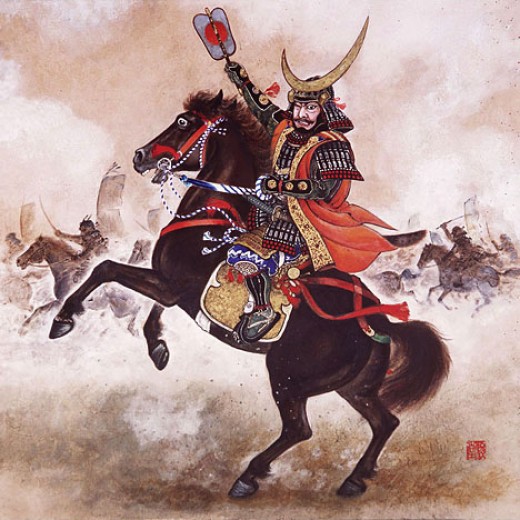 Although
samurai no longer exist, the influence of these great warriors still manifests
itself deeply in Japanese culture and samurai heritage can be seen all over
Japan - be it a great castle, a carefully planned garden, or beautifully
preserved samurai residences. It is also deeply ingrained in the psyche of the
Japanese people.
Although
samurai no longer exist, the influence of these great warriors still manifests
itself deeply in Japanese culture and samurai heritage can be seen all over
Japan - be it a great castle, a carefully planned garden, or beautifully
preserved samurai residences. It is also deeply ingrained in the psyche of the
Japanese people.
The basis
of samurai conduct is bushido, "the way of the warrior". This unique
philosophy valued honour, reckless bravery and selflessness, as well as duty to
the warrior's master with the purpose of giving up one's life and embracing
death. There was no place for fear in the way of the warrior and this conduct
of self discipline and respectful, ethical behaviour was to become the role
model behaviour for other classes throughout Japan's history.
THEATRE
Coming to
another stop we once again get in touch with Japan’s vast historical context
that still has a great value and present impact in today’s everyday life for
the average Japanese people. We now dive in into what must be one of the most
fascinating cultural and historical representations that still carry on today. You're
in Tokyo with InsideJapan Tours - why not take in the theatre? If you are
shopping or just window-shopping in Ginza in the heart of Tokyo, you are only a
few minutes' walk from the Shimbashi Embujo.
 All parts in Kabuki are played by men and some
of its greatest actors specialise in playing female characters. Kabuki stars
are part of Japan's celebrity culture and you will often see their faces on advertising
billboards or in TV commercials.
All parts in Kabuki are played by men and some
of its greatest actors specialise in playing female characters. Kabuki stars
are part of Japan's celebrity culture and you will often see their faces on advertising
billboards or in TV commercials.
Apart from
Kabuki, the puppet theatre (Bunraku), with each puppet being manipulated by
three puppeteers, also dates from the seventeenth century, and Noh, a more
stately form of danced theatre in which many main actors wear wooden masks,
can trace its history back to the
fourteenth century.
Bunraku is
most regularly played in Osaka at the National Bunraku Theatre and earphone
guides are also available there. Noh can be watched at the National Noh Theatre
in Tokyo, and each seat has a personal subtitling system.
Japan has
preserved its traditional theatre forms, but it has a vibrant modern theatre as
well. The country was virtually cut off from the rest of the world for two
centuries from the mid-1600s to the mid-1800s, but when it discovered what
European theatre was like, it eagerly embraced the major European playwrights:
Shakespeare, Ibsen etc.
ANIME AND
MANGA
 Taking a
break from so many cultural activities we take a stop or best said a MUST in
our visit to Japan is the anime and manga community that lies here, anime is
the word to describe the characteristic style to draw and or animate a story. Originally
the term anime was adopted from the American word animation. Anime has a variety
of themes, characters, and stories. There is such a wide range of themes that
there is most definitely something out there for your tastes.
Taking a
break from so many cultural activities we take a stop or best said a MUST in
our visit to Japan is the anime and manga community that lies here, anime is
the word to describe the characteristic style to draw and or animate a story. Originally
the term anime was adopted from the American word animation. Anime has a variety
of themes, characters, and stories. There is such a wide range of themes that
there is most definitely something out there for your tastes. 
Before we continue
let us first clear up the fact that the international term of “otaku” which is
world widely known to describe a person who likes, enjoys, watches or is a fan
of anime and manga, in Japan, the term “otaku” is normally seen negatively, it
is seen as someone who is socially isolated and has an unhealthy obsession and relationship
with the fictional characters that are shown in anime or manga.
Manga books
are generally printed in black and white and cover a wide variety of genres and
subject matter aimed at both sexes and all ages, not just for young boys - to
whom comics are generally marketed in the West. Themes include romance, action
adventure, science fiction, comedy, sports and can also venture into darker
subject matter for adults such as horror and more risqué material; though the
latter tends not to be acknowledged in everyday life and culture.

As it makes
up a large section of Japan's publishing industry, manga books can be found and
seen everywhere. People reading manga on trains during rush hour is a common
sight in Tokyo as well as the rest of the country.
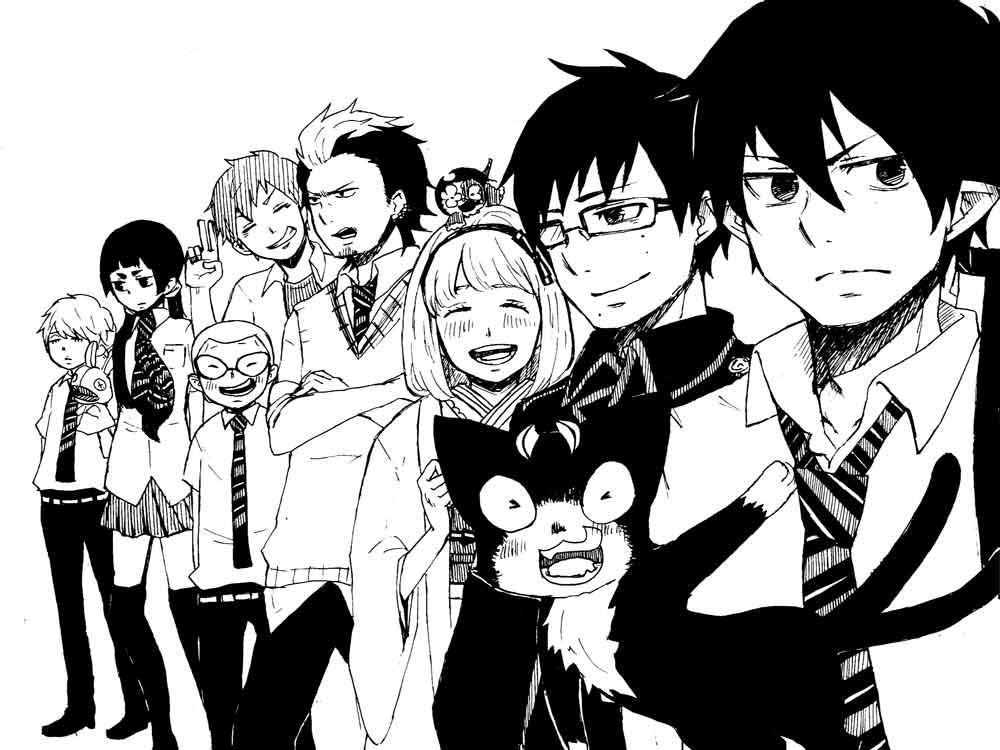 Once
certain manga have proven their worth by popularity, the natural progression is
for an animated TV series to be created, however, manga is not the only source
of inspiration for anime. For example, Pokémon was a worldwide hit as a video
game for Nintendo before it was made into manga and anime series.
Once
certain manga have proven their worth by popularity, the natural progression is
for an animated TV series to be created, however, manga is not the only source
of inspiration for anime. For example, Pokémon was a worldwide hit as a video
game for Nintendo before it was made into manga and anime series.
The obvious differences from manga such as
colour, movement and sound bring anime to life, but there is one additional
element which is extremely important: the theme song. Artists from the J-pop
and J-rock world are all falling over themselves to write the theme songs for
the next big anime series as it is almost a guaranteed hit and provides great
exposure. The anticipation of which artist it will be can often overshadow the
anime itself, being the topic of hot discussion in school playgrounds and
internet forums.

Parting from
the fictional and intriguing world of Japanese animation, we now approach the
end of our amazing journey, today we’ve gone through a journey across the globe
towards one of Asia’s most modern countries, arriving clearly seeing how the
culture shock may affect us and to get a better understanding of the culture we
travelled in time, where we learned about all the political changes the country
has endured and how its traditional values have been very preserved colliding nowadays
with competing technology and advanced resources that may not compare to the
rest of the world.

We now take
aboard the plane to the amazing CHINA. Do not forget to keep on track of our
great adventure, thank you so much for reading, I hope you’ve spend a wonderful
time here with me enjoying all the greatness that this country can offer, and
see you next time when we land in Bei Jing.

No hay comentarios.:
Publicar un comentario